
The Central Bank of Liberia has begun setting a system into motion meant to institute reforms.
According to the Executive Governor of the CBL, Henry Saamoi, the reforms represent a critical step towards modernizing Liberia’s credit infrastructure.
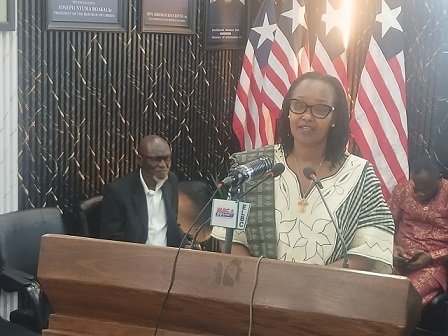
He made the assertion during the opening of the Stakeholders’ Validation Workshop on the Draft Amended Collateral Registry System Regulation on Tuesday, May 26, 2026,
Saamoi emphasized that the updates are designed to remove longstanding barriers that continue to limit access to financing for farmers, small businesses, and entrepreneurs.
The CBL Executive Governor also announced sweeping reforms to the country’s Collateral Registry System to unlock access to finance and accelerate private sector growth across the nation.
Governor Saamoi noted that while the existing Collateral Registry System has successfully strengthened secured lending by allowing movable assets—such as equipment, inventory, vehicles, and receivables—to be used as collateral, many viable businesses remain excluded from formal credit opportunities.
“This issue is particularly pronounced in the agriculture and informal sectors due to restrictive traditional lending practices,” he also indicated.
To directly address these challenges, he said the proposed amendments seek to expand the framework to include immovable assets such as land and buildings.
The Executive Governor further revealed that the expansion will significantly broaden the pool of bankable collateral, creating major new financing opportunities for households and businesses nationwide.
The CBL Executive Governor also acknowledged the continued technical and financial support of the World Bank Group and the International Finance Corporation (IFC) in advancing Liberia’s financial sector reforms.
The workshop brought together a diverse group of financial and legal minds to review and validate the amended draft regulation. Participants included representatives from commercial banks, insurance companies, mobile money and fintech firms, microfinance institutions, development partners, and members of the legal community.