-UNDP Official Urges Young Liberians
Hawa Bility
Young Liberians have been urged to learn from the country’s history and use its lessons to promote good leadership, strengthen governance, and advance national development.
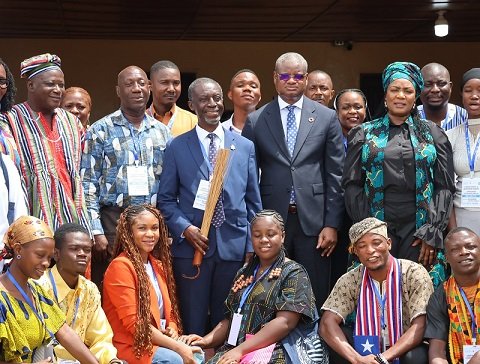
The call was made at the Liberia History and Leadership Summit 2026, supported by the United Nations Development Programme (UNDP), which brought together policymakers, diplomats, development partners, and young leaders at the Ellen Johnson Sirleaf Presidential Center for Women and Development in Monrovia.
The summit was organized by the Liberia Diplomatic Club (LDC) under the theme, “Awakening Liberia’s Leadership Potential.”
Speaking on the topic, “From Liberia’s History to Its Development Future: What Role for Young Liberians?” UNDP Liberia Resident Representative Aliou Mamadou Dia said understanding the country’s history was important to building peace, strengthening institutions, and promoting sustainable development.
He cautioned against viewing history as a source of division, stressing that it should instead serve as a foundation for learning, reconciliation, and national progress.
“A country’s past should serve as a foundation for learning, reconciliation and progress rather than a source of division,” Dia said.
He encouraged young people to draw lessons from Liberia’s past and apply them to the challenges and opportunities facing the country today.
Dia also welcomed President Joseph Nyuma Boakai’s recent call to revive the National History Project, which was originally recommended by the Truth and Reconciliation Commission (TRC), noting the importance of helping Liberians better understand their shared history.
According to him, preserving the country’s history is not simply about remembering past events but also about building a more united future.
Youth Participation in National Development
Dia emphasized the importance of investing in young people, noting that more than three-quarters of Liberia’s population is under the age of 35.
He said the country’s development prospects depended largely on the opportunities available to young people and their participation in national decision-making.
The UNDP Resident Representative highlighted the alignment between youth development priorities and national frameworks, including the government’s ARREST Agenda and the National Youth Policy 2025–2029.
He stressed that investments in education, skills development, employment, governance, and peacebuilding were essential to helping young people contribute meaningfully to national development.
“Investing in young people is investing in Liberia’s future,” Dia said, adding that young Liberians needed not only knowledge and skills but also opportunities to participate in decisions affecting their lives and the country.
UNDP Highlights Youth Empowerment Initiatives
Dia also highlighted UNDP’s support for youth empowerment initiatives, including the expansion of Liberia’s National Cadet Program.
The program provides recent university graduates with practical work experience, mentorship, and professional development opportunities across the country’s 15 counties.
More than 1,000 graduates are expected to benefit from the initiative this year, according to Dia.
He also cited the National Youth Dialogue and YouthConnekt as platforms that enable young people to engage in national discussions, build professional networks, and contribute ideas to development initiatives.
Dia further highlighted Liberia’s National Action Plan on Youth, Peace and Security 2025–2030, describing it as an important framework for strengthening youth participation in peacebuilding and governance.
He also pointed to Liberia’s election to the United Nations Security Council for the 2026–2027 term as an opportunity for young Liberians to engage in discussions on international peace and security.
Dia summarized his message to young people in three words: “Remember. Reconcile. Rebuild.”
He also called on leaders and citizens to prioritize service over self-interest, dialogue over division, evidence over rumor, and inclusion over exclusion.
Liberia’s Diplomatic History
Meanwhile, the summit’s guest speaker, Ambassador-at-Large Robert Y. Lormia, highlighted the role of diplomacy, dialogue, and negotiation in Liberia’s history and national development.
Reflecting on the country’s early years, Lormia said diplomatic efforts helped secure international recognition for Liberia and establish its place in the international community.
“Constructive engagement remains essential to resolving disagreements and advancing shared interests,” he said.
He urged young Liberians to learn from the patience, vision, and determination demonstrated by the country’s early leaders and diplomats.
Lormia also encouraged citizens to take greater responsibility for national development rather than relying solely on external assistance.
“Liberia’s development is a responsibility we all share,” he emphasized.
Integrity Key to Responsible Leadership
Another keynote speaker, Cllr. Tiawan Saye Gongloe, stressed that integrity, accountability, respect for human rights, and adherence to the rule of law were essential qualities of responsible leadership.
He challenged participants to reject corruption and promote fairness, transparency, and inclusion in both public and private life.
Gongloe encouraged young people to begin contributing to national development through practical actions in their communities rather than waiting for major reforms to take place.
He noted that leadership was demonstrated through actions and decisions, not merely through titles, adding that every citizen had a responsibility to help build public trust and strengthen national institutions.
Women’s Leadership and Youth Development
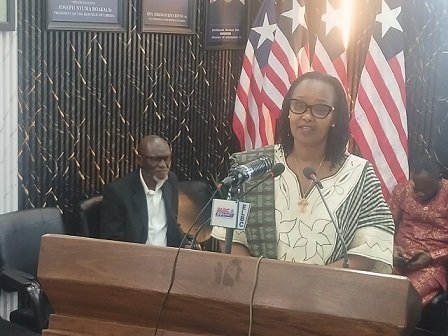
Earlier, Madam Ellen Pratt-Harris, Executive Director of the Ellen Johnson Sirleaf Presidential Center for Women and Development, emphasized the importance of providing young people with opportunities to develop their leadership potential.
She highlighted the launch of the E Deéké youth leadership initiative, which selected emerging women leaders from across Africa through a competitive application process.
The initiative seeks to help young women develop their leadership skills, strengthen professional networks, and prepare for leadership roles across the continent.
Call for Action
The summit concluded with a call for young Liberians to translate lessons from the country’s history into practical actions that promote peace, good governance, accountability, and national development.
Participants were encouraged to contribute to the country’s progress through public service, entrepreneurship, peacebuilding, and community engagement.
The discussions emphasized that building a peaceful, inclusive, and prosperous Liberia requires informed citizens, ethical leadership, and meaningful youth participation in national decision-making.
For UNDP, ensuring that young people have opportunities to succeed and participate in decisions affecting the country’s development remains essential to shaping Liberia’s future.