By Omari Jackson
At the ongoing 2026 World Cup, Bafana Bafana captain Ronwen Williams stood before the press and made a passionate plea. Troubled by the visible lack of support from fellow Africans, Williams urged the continent to rally behind South Africa, arguing that football should be separated from politics. "As Africans, we are one," he reminded us.
It is a beautiful sentiment, deeply rooted in the foundational ideals of Pan-Africanism. But as a continent, we must ask ourselves a painful, necessary question: Can we truly demand continental solidarity on the pitch when we deny continental humanity on the streets?
Williams’ frustration is understandable on a human level. He and his teammates are athletes, not politicians. They sweat for the game, not the government. However, his plea to "leave politics to the politicians" ignores a stark reality.
For millions of Africans living in, or connected to, South Africa, the systemic vitriol they face is not "politics"—it is a matter of survival.
When Netizens respond to Williams by saying, "You were not born on the pitch," they are highlighting a profound truth. Sports do not exist in a vacuum. The field is an extension of society. It is impossible to separate the joy of the beautiful game from the pain of xenophobic violence that has periodically plagued South Africa, leaving African migrants displaced, traumatized, or worse.
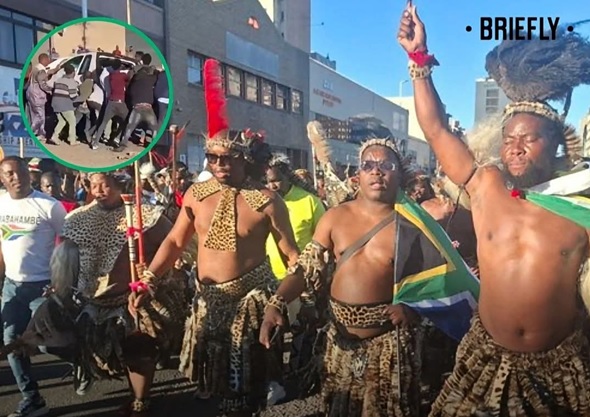
The contrast within South African society is glaring. In the very same breath that the national team begs for African love, anti-immigrant figures like Jacinta Ngobese-Zuma dominate headlines, poisoning the well of brotherhood with toxic, divisive rhetoric. When xenophobia is normalized at home, it creates a psychological barrier across the continent.
Pan-Africanism cannot be a seasonal jacket worn only when a national team needs cheers at a World Cup, then discarded when foreign nationals seek safety and dignity within South Africa's borders. True unity is a two-way street. You cannot ask Ghana, Nigeria, Zimbabwe, or Kenya to heal your wounds on the global stage while their citizens are being scapegoated for systemic failures back home.
As Pan-Africanists, our ultimate dream is a borderless, united continent thriving on mutual respect. We want to cheer for Bafana Bafana. We want to see the colorful energy of South Africa conquer the world. But solidarity must be earned through consistent brotherhood.
True solidarity cannot be demanded from a stadium microphone; it must be practiced on the streets of Johannesburg, Pretoria, and Durban.
If South African athletes want the unyielding backing of the continent, they must also use their massive platforms to speak out against the ills plaguing their society. Silence in the face of injustice is a choice.
When the Bafana Bafana jersey stands firmly against xenophobia at home, the rest of Africa will gladly carry them to victory abroad. Until then, the silence from the rest of the continent is not hatred—it is a mirror.
The End