By Nvasekie N. Konneh
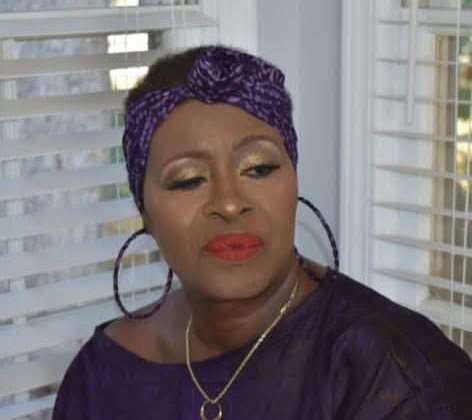
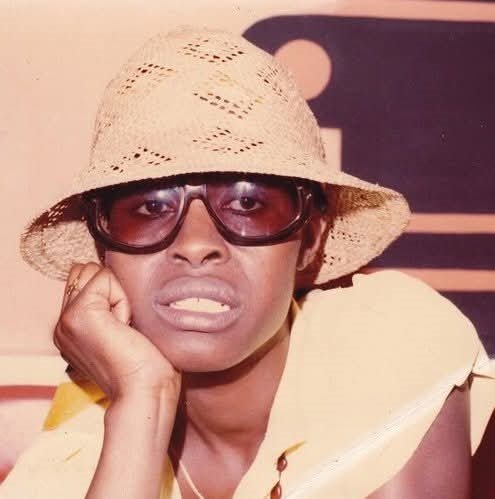
It took me three days to listen to the interview of the legendary Liberian artist, Miatta Fahnbulleh. I could not listen to the interview in one setting because it’s almost four hour long and in this very busy world we live in today, it’s difficult to sit and listen to anything for that long in one setting. As such, I have to spread the time of listening to the interview to three days. As an artist, Miatta Fahnbulleh is well known in and beyond Liberia. She is not only known as a singer, she is an activist, world traveller, and she comes from progressive families backgrounds on both sides. She's the daughter of a prominent and respected Mary Brownell, AKA Ma Mary, a peace activist and educator. Ma Mary was the founder of the Liberia Women Initiative (LWI). Her brother, Dr. H. Boima Fahnbulleh is a well-known progressive scholar, activist, and politician. Her father, H. Boima Fahnbulleh Sr. was also a progressive politician who served as Liberia's ambassador in several countries during the course of many years and was imprisoned by the Tubman regime on false charges of treason. Coming from such backgrounds, her recent controversial comment on the 2017 election of President George Weah should come as no surprise to anyone. Her comments in that interview regarding former president, George Weah has ignited a firestorm of reactions, especially from the CDCians and supporters of former president, George Weah.
In this long interview, Aunty Miatta talked about so many things that are food for thought for the younger generation of people in our country and beyond. Of all the things she talked about, the only thing that has generated much reaction is her reference to former president George Weah and how President Ellen Johnson Sirleaf “unleashed him on Liberian people.” Despite the food for thoughts she shared in that interview, nothing matters to lots of people besides that statement of how Ellen “unleashed George Weah on Liberian people” and how "disastrous his regime was” for the six years he was in power.
I was tagged into some of the reactions to her interview but I said I was holding my view until I listened to her fully. That’s why I took the whole three days listening to the interview. Now, I can say clearly that minus that criticism of the 2017 democratic transition from President Sirleaf to President Weah, it is a very good interview. As such, while I will express my view on the political side of the interview that has generated such heated reactions from many quarters, I will applaud her for her longevity and reflections from the past to the present. She truly spoke as an artist, the diva, and the rebel without a pause.
No, President Ellen Johnson Sirleaf did not "unleash George Weah on the Liberian people.” Liberian voters voted for him out of their own free democratic will. They voted for him not so much because he understood and was very eloquent on the issues that mattered to them. For the youthful voters, the majority of which voted for him, they voted for the soccer celebrity thinking that he may translate such celebrity into tangible factors that could have positive effects on their lives and wellbeing. They thought that because of his celebrity status, he was well connected internationally to bring investment that would provide for them the opportunities of upward mobility. On that promise alone, they saw candidate Weah as a change agent, a messiah, and generational change maker. In 2005, he won the first round only to be defeated by the coalition Madam Sirleaf was able to build during the second round. In 2011, when he ran as the VP to Winston Tubman, his CDC came second. He then ran and won the senate seat with a landslide. In 2017, he won the first round and eventually won in the second round to become president. If you look at all these records of victories, no one can say that George Weah was "unleashed on Liberian people” by President Sirleaf. He even defeated President Sirleaf’s son to become senator of Montserrado County. If we go by the democratic wishes and aspiration of the Liberian voters, Weah was the president Liberia had to have in 2017.
Being elected as president is one thing but having been elected and what to do with the power is another thing altogether. When he was elected in 2017, Weah faced three groups of people: his supporters, his critics, and those who might have not been his supporters or opponents. His opponents didn't believe he would deliver because he didn’t promise much in words. They expected nothing but failure. His supporters expected him to create jobs and opportunities for economic developments and progress. Those that were neither his supporters nor his opponents, they too wanted to give him the benefit of the doubt. Did he disappoint his supporters? Was it a self-fulfilling prophecy for his opponents, and what about the people in the middle? The answer to all these questions was the result of the 2023 election which Weah lost narrowly to the current president, Joseph Boakai. Now, the question is, can Weah make a comeback like his supporters or CDCians wish or hope for? On what count can Weah make a comeback? If being a celebrity was enough to make him president in 2017, it was not enough to win him the second term in 2023. What argument can Weah make for his comeback? Just as being a celebrity was not enough for his second term, it may not be enough for his comeback victory. No doubt President Weah is popular celebrity but that status has not delivered for the people.
While we do not agree with the notion that President Ellen Johnson Sirleaf "unleashed George Weah on Liberian people," we can agree that what he did with power did not advance Liberia to the desired position of even his supporters. His presidency did not bring the change, the opportunities, and the development his supporters had expected or hoped for. It is on these issues Miatta Fahnbulleh's criticism is valid. Miatta, as an artist or as an activist is right with her criticism. For people to ignore the facts in her criticism and try to malign or demonize her is wrong. She is an artist and artists are rebels who use their arts and platforms too question what are considered acceptable norm to others. Artists use their arts as mirror to society. As a singer, song writer, performer, and social activist, her rebellious spirits came through this interview. Her interview is a delicious food for thought.