By Omari Jackson
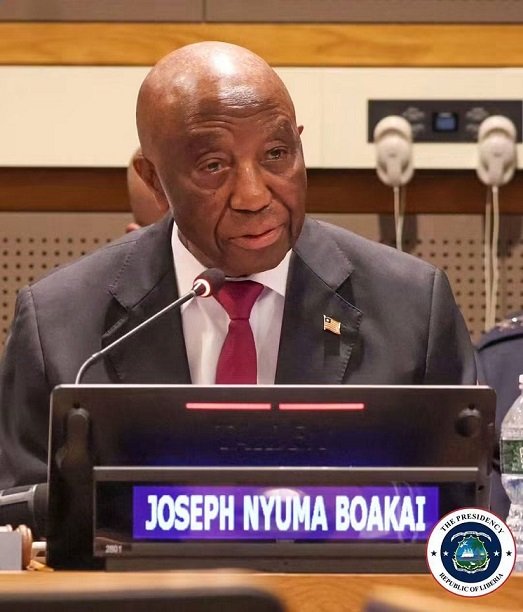
President Joseph Nyuma Boakai has presented a clear vision for recovering, preserving and teaching African history. Liberia’s Arts and Culture Ambassador, Kekura Malawala Kamara, should embrace that vision and begin thinking along the same practical lines.
At a side event in New York, President Boakai proposed a Liberia–Ghana Cultural Heritage and Historical Recovery Cooperation Framework. The proposal would bring institutions from both countries together to digitize historical records, train archivists and museum workers, preserve important sites and develop educational exhibitions.
This is not work for the President alone. It falls directly within the responsibilities of those appointed to promote Liberian culture. Ambassador Kamara should publicly support the proposal and explain how his office intends to help transform it into action.
Liberia has a deep cultural history, but much of it remains undocumented, neglected or unknown to younger citizens. Traditional music, dances, oral histories, carvings, languages and ceremonial practices are disappearing as many older custodians die without recording their knowledge. Historic documents have also been damaged or lost through war, poor storage and institutional neglect.
The Cultural Ambassador should see the President’s proposal as an invitation to lead.
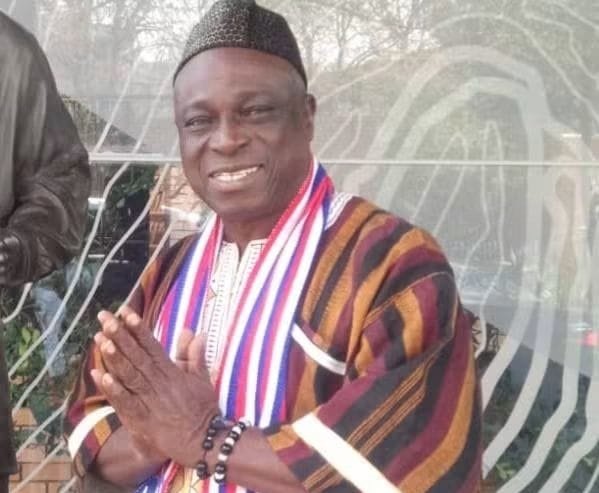
Kamara could begin by calling together Liberian historians, writers, musicians, traditional leaders, archivists, artists and educators. Their first task should be to identify materials, traditions and historical sites that require immediate protection. Such an effort should include cultural knowledge from every county and ethnic community.
The Ambassador should also work with the Ministries of Information, Education and Foreign Affairs to support the proposed cooperation with Ghana. Ghana has experience in heritage tourism, museum management and the preservation of sites connected to African history. Liberia can learn from that experience while developing programs suited to its own needs.
President Boakai’s proposed Peace, Reconciliation and Memorial Museum also requires cultural leadership. The museum must tell Liberia’s story honestly. It should preserve the testimonies of victims, survivors, peace advocates and communities affected by the civil conflict. It must not become a political project that favors one group’s account over another.
Ambassador Kamara can help ensure that artists, writers and cultural workers contribute to the museum’s development. They can turn historical records into exhibitions, plays, books, films and public programs that ordinary Liberians can understand.
Providence Island and other neglected historical locations must also receive attention. Cultural promotion should not be limited to performances at official ceremonies. It must include research, preservation and public education.
The Ambassador’s office should present a cultural action plan with clear priorities, deadlines and possible sources of funding. Liberians need to know what will be preserved, who will do the work and how communities will participate.
President Boakai has said the next phase must move from conversation to practical cooperation. Ambassador Kamara should adopt the same standard. His position gives him a national platform. He must use it to protect Liberia’s memory, support the recovery of its heritage and help young Liberians understand the history they have inherited.