The Liberia Water and Sewer Corporation (LWSC) is expected to commission a newly installed 10-kilometer, 48-inch water pipeline this week following the recent replacement of an antiquated 36-inch pipeline that had been in service since 1958.
LWSC Managing Director, Mo Ali, disclosed that the project cost the Government of Liberia US$12.4 million, describing the replacement as a significant development in the country’s water supply infrastructure.
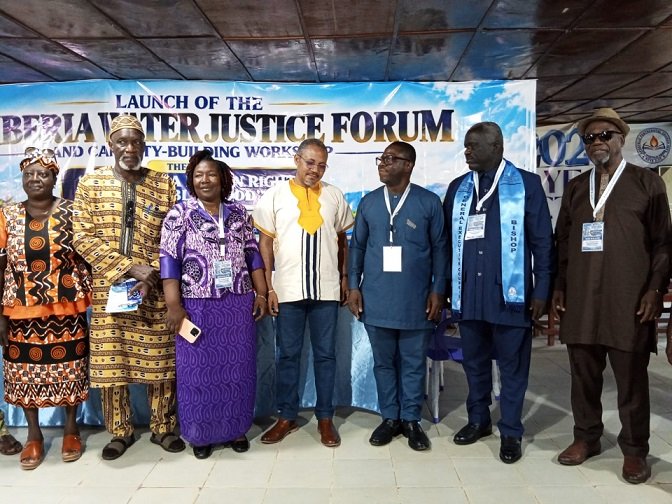
Mr. Ali made the disclosure on Thursday while delivering a keynote address at a roundtable discussion and presentation organized by the Liberia Water Justice Forum in Brewerville, outside Monrovia.
The new pipeline is expected to strengthen the country’s water distribution infrastructure and support efforts to improve access to safe and reliable drinking water. Its larger diameter, compared with the previous 36-inch pipeline, represents an expansion in the infrastructure’s physical capacity, although the actual improvement in water supply will depend on operating conditions, available water, and the wider distribution network.
The replacement of the old pipeline, which had served since 1958, also highlights the importance of investing in aging public infrastructure to meet the growing water needs of communities.
Speaking at the forum in Brewerville on Thursday, Mr. Ali emphasized the significance of the project as part of ongoing efforts to improve water infrastructure in Liberia. His disclosure comes amid broader discussions about the need to expand access to safe drinking water and address longstanding challenges in the country’s water sector.
Church Aid Chairman Calls for Collective Action on Water Justice
Meanwhile, Bishop Kortu Brown, Chairman of the Board of Church Aid Incorporated (CAI), has said the Liberia Water Justice Forum is intended to provide a platform for religious leaders, water-sector stakeholders, and other relevant actors to discuss practical strategies for ensuring that all Liberians have access to safe drinking water.
Bishop Brown explained that the forum seeks to encourage collaboration among faith-based institutions, civil society organizations, water-sector authorities, and development partners in addressing the challenges affecting access to safe and reliable water across the country.
According to him, bringing together stakeholders from different sectors will create opportunities to exchange ideas, identify practical solutions, and strengthen collective efforts to make water accessible to communities.
The Church Aid board chairman’s remarks underscore the role religious institutions and civil society organizations can play in advocating for public services and drawing attention to the needs of communities that continue to face difficulties accessing safe drinking water.
The forum also provides an opportunity for participants to discuss water-related challenges from a human-rights perspective, emphasizing the importance of equitable access, public accountability, and sustainable management of water resources.
Access to safe drinking water remains an important public development issue in Liberia, where the availability and reliability of water services can vary considerably between communities. Infrastructure limitations, the need for investment in water systems, and challenges associated with delivering services to underserved areas all contribute to the wider national discussion on water access.
The Liberia Water and Sewer Corporation is a key public institution responsible for providing water supply and sewerage services within its operational mandate. Investments in pipelines and related infrastructure are important components of efforts to strengthen water delivery. However, the benefits of such projects also depend on adequate water production, effective distribution, regular maintenance, and the capacity to extend services to communities in need.
The commissioning of the new 10-kilometer pipeline is therefore an important development to follow, particularly as residents and stakeholders look for improvements in the availability and reliability of water services.
At the same time, the establishment of the Liberia Water Justice Forum reflects an effort to bring water access concerns into broader public discussions involving religious leaders, civil society, government institutions, and international partners.
Church Aid and International Partners Organize Forum
The Liberia Water Justice Forum was organized by Church Aid Incorporated in collaboration with the World Council of Churches and the Africa Water Justice Network.
The forum was held under the theme “Water as a Human Right and Public Good.”
The theme emphasizes the importance of treating access to safe water as a matter of public concern and ensuring that water policies and services respond to the needs of the population.
Through the roundtable discussion and presentations, participants were expected to exchange perspectives on water justice, identify challenges within the sector, and explore approaches to improving access to safe and reliable drinking water in Liberia.
The involvement of religious leaders and international partners is intended to broaden the discussion beyond infrastructure development to include public awareness, community participation, accountability, and equitable access to water services.
The two speakers addressed complementary aspects of the water debate: LWSC Managing Director Mo Ali highlighted a major government-funded infrastructure project, while Bishop Kortu Brown emphasized the need for dialogue and cooperation among stakeholders to advance water justice.
As Liberia continues to pursue improvements in water supply, the impact of infrastructure investments and the effectiveness of collaborative initiatives will remain important considerations in determining whether more communities can obtain safe and dependable drinking water