-LIJL Calls For Urgent Gov’t Intervention
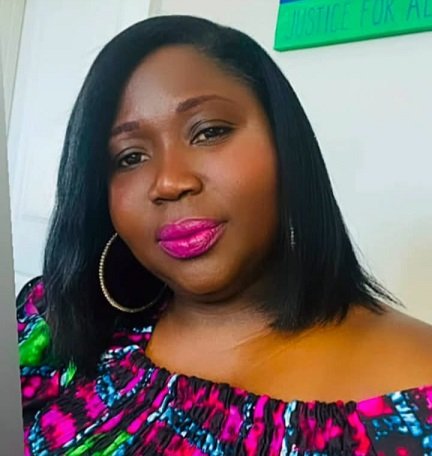
The Executive Director of the Lady Justice Center of Liberia and human rights activist, Miss Hawa Metzger, is calling on the Government of Liberia to strengthen child-protection measures and take urgent action against the abuse, sexual exploitation, neglect, and abandonment of children and young women living on the streets of Monrovia and its surrounding communities.
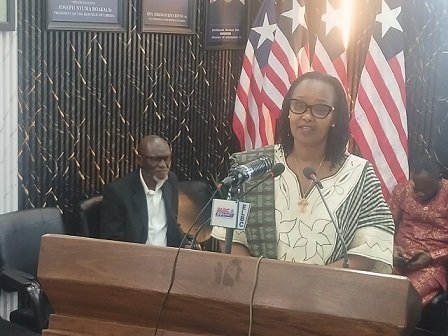
Speaking at a news conference in Monrovia early this week, Miss Metzger urged the Ministry of Gender, Children and Social Protection, the Liberia National Police, and other relevant government institutions to intensify efforts to identify vulnerable children, investigate cases of sexual abuse, and ensure that survivors receive immediate protection and appropriate support.
In a passionate plea, the human rights activist highlighted the disturbing situation of a 12-year-old Liberian girl reportedly living on the streets, who Metzger said, disclosed that she had been exposed to sexual experiences from the age of nine, allegedly through rape.
According to Miss Metzger, the child's account, including her apparent normalization of painful experiences and reported smoking at such a tender age, raises serious concerns about the circumstances that have left her vulnerable to abuse and exploitation.
The activist wondered how a child of such a tender age could be exposed to such traumatic experiences, while lacking the protection, care, and guidance necessary for healthy childhood development.
“Who protects a child who has no responsible adult to turn to?” is the central question Metzger is raising as she calls for a more effective national response to the plight of street-connected children.
Government Urged to Strengthen Child-Protection Systems
The Lady Justice Center Executive Director of Liberia, acknowledged that parents and guardians have a fundamental responsibility to raise, protect, and guide their children. However, she stressed that parental responsibility should not become an excuse for government inaction when children are abandoned, abused, neglected, or left to survive on the streets.
She emphasized that the government has a responsibility to protect children's rights, prevent abuse, respond to sexual violence, and ensure that vulnerable children have access to safe accommodation, healthcare, education, and social support.
The activist also questioned whether Liberia's existing child-protection laws and policies are being effectively implemented to reach children who are most at risk.
Among the concerns she raised are the availability of emergency shelters, trained social workers, accessible mental-health services, rehabilitation programmes, and safe reintegration opportunities for children who have experienced abuse, exploitation, or abandonment.
She argued that children who have experienced sexual violence should not have to wait for another tragedy or become the subject of public discussion on social media before receiving the protection and assistance they need.
Public Urged to Treat Vulnerable Children with Dignity
The Lady Justice Center executive director also cautioned the public against judging children based on their behavior when they disclose traumatic experiences.
She noted that a child's laughter while discussing rape does not mean the experience was harmless, just as smoking or other risky behavior does not mean a child is beyond help.
According to Metzger, such behavior should prompt concern, professional assessment, and compassionate intervention rather than condemnation or public ridicule.
She further raised concerns about the repeated filming and online circulation of videos in which children in Liberia disclose sensitive sexual experiences and other deeply personal information.
The activist warned that exposing children and their identities in such circumstances can place their dignity, privacy, and safety at further risk.
She is therefore calling for greater public awareness about children's rights and responsible handling of sensitive cases involving minors, particularly those who may have experienced sexual abuse or exploitation.
Calls for Greater Investment in Child Welfare
Metzger also questioned the priorities of public spending, arguing that citizens have the right to demand transparency and accountability regarding the use of public resources.
She maintained that investment in child protection, education, healthcare, and social welfare must be treated as an essential responsibility of government.
According to her, the challenge is not for individual public officials to solve every child's problem personally, but for government institutions to establish effective systems capable of protecting children who have no one else to turn to.
She called for adequately funded emergency child-protection services, stronger institutional capacity within the Ministry of Gender, Children and Social Protection, expanded shelter facilities, more trained social workers, trauma-informed healthcare, and effective investigations into allegations of sexual abuse.
Metzger further emphasized the need for practical programmes that help vulnerable children return to education and stable living conditions, including safe family reunification where appropriate or alternative care when returning home would expose them to further harm.
She also called for transparent reporting on programme budgets, service delivery, and the number of children receiving sustained assistance.
Government Programmes Face Questions Over Implementation
The activist's appeal also raises questions about the implementation of government initiatives intended to address the challenges faced by children living on the streets, including the previously announced Support a Child, Secure the Future project.
She argued that the public deserves clear information about the programme's progress, the number of children reached, the resources allocated, and the remaining gaps in service delivery.
However, the effectiveness and current implementation status of the programme would need to be confirmed by the relevant authorities.
Metzger acknowledged that addressing the situation of vulnerable children requires cooperation among families, communities, civil society organizations, government institutions, and international partners.
Nevertheless, she stressed that the complexity of poverty, family breakdown, neglect, and abuse should encourage stronger interventions rather than justify leaving children without assistance.
A Call for Immediate and Sustained Action
The human rights activist maintained that Liberia's development should not be measured solely by government performance or the benefits received by public officials, but also by the country's ability to protect its most vulnerable citizens.
She warned that children should not be treated as public inconveniences or forgotten until their suffering attracts widespread attention.
Metzger called on the Government of Liberia, the Ministry of Gender, Children and Social Protection, the Ministry of Health, the Ministry of Justice, the Liberia National Police, and other relevant institutions to coordinate an effective response to the situation.
She also encouraged communities and members of the public to report suspected abuse through appropriate channels while protecting children's identities and avoiding the circulation of sensitive videos.
The activist emphasized that any intervention involving the 12-year-old girl should prioritize her immediate safety, confidential assessment, access to appropriate medical and psychosocial care, and protection from further exploitation.
“We need more than sympathy. We need emergency action, adequately funded programmes, transparent implementation, and measurable accountability,” Metzger's message emphasized.
She concluded that responsibility for protecting vulnerable children extends beyond their parents to the wider community and the state, which must ensure that children have a genuine opportunity to live safely, receive an education, and build a better future.
As the discussion surrounding street-connected children continues, the central question remains whether Liberia's child-protection institutions can respond effectively before more children experience abuse, exploitation, or preventable harm.
The call is clear: Liberia must do better for its children—not tomorrow, and not after another tragedy, but now.
Lady Justice Center of Liberia continues to call for the protection of children's rights and stronger accountability in addressing abuse, neglect, and exploitation.