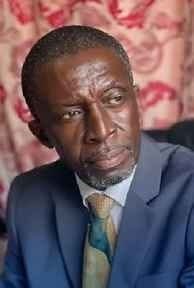
My attention is drawn to Cllr. Gongloe’s commentary titled “We Must Not Forget the Victims of Liberia’s Civil War,” in which he said that although Liberia’s civil war ended years ago, many victims continue to live with bullets and fragments in their bodies, lost limbs, impaired vision, chronic pain and emotional trauma. Others, he noted, remain trapped in poverty after losing homes, farms, businesses and family members during the conflict.
My question to Cllr. Gongloe is, when did you get to know that Many feel abandoned and forgotten by the country for whose conflict they paid such a terrible price? What did you do when you were Solicitor General when the Truth and Reconciliation Commission was created. What did you do to advise the President and the TRC Commissioners to look in the direction of war victims?
To argue that Liberia has a moral obligation to address what you described as a historic imbalance in post-war assistance is far belated, Cllr. Gongloe, because 70% of the actual victims of the wars in sequence are dead and gone. Most of those you see here claiming victims are either ex-fighters, or people who had accident.
In the TRC recommendations, there is something in there mentioned about war victims. What becomes of the TRC’s recommendations for war victims? How can you reconcile your vision with the TRC version about war victims?
Yes, I must agree with you that the Liberian civil wars (from 1989 to 1997, and from 1999 to 2003) became notorious with extreme brutality against civilians, including widespread massacres, torture and systemic sexual violence. This is why immediately after the war, the government needed to establish a comprehensive data base of war victims for easy reference. As it stands, I am afraid that nearly 40% of our citizens will play victims if announced that the government will identify with war victims.
We are fully aware that Factions widely used and forcibly recruited children, often giving them drugs and arming them with cheap, accessible automatic weapons. About 250,000 people lost their lives, and hundreds of thousands were displaced, some thing which we should never allow to repeat itself as the nation is moving greatly towards the attainment of 23 years of peace.
Even though, there are skirmishes of bad governance and abuse of human right, as well as deliberate emergence of class system, but that can never make Liberians to revert to the use of violence as a means of settling their differences.
We are optimistic that if there should be a national dialogue that will bring together Liberians at home and in the diaspora, a comprehensive way forward can be reach that will address the issue of collective reparation for war victims, because, as you rightly said, former combatants received organized disarmament and demobilization packages, including financial assistance, vocational training and other support aimed at facilitating their reintegration into civilian life, but was done for the victim of war
This Proposed Five-Year Relief Fund for war victims, looking at the prevailing situation is not applicable now, until it is done through a collective reparation scheme, ether by a construction of homes for war victims.
I do not support the idea that the National War Victims Relief Fund initially operate for five years, financed through contributions from Liberians and a substantial government counterpart contribution, because we need to be intentional about what we need to do for our war victims. What is needed is to know war victims, and not to miss them up with ex-combatants.
Under his proposal, every unemployed adult Liberian who is able to contribute would pay L$100 annually, while every employed Liberian would contribute US$1 per year. Liberians living abroad, he added, should also be encouraged to contribute at least US$1 annually. The Liberian Government would then match national contributions at a ratio of US$5 for every US$1 contributed under the scheme.
He said the fund should prioritize victims with severe disabilities and provide assistance including medical treatment, medication, prosthetic devices and modest welfare support. It should also provide interest-free microloans to victims capable of engaging in farming, petty trading and other small businesses. He concluded that the objective should not simply be financial assistance, but to help victims regain independence and restore hope