By Omari Jackson
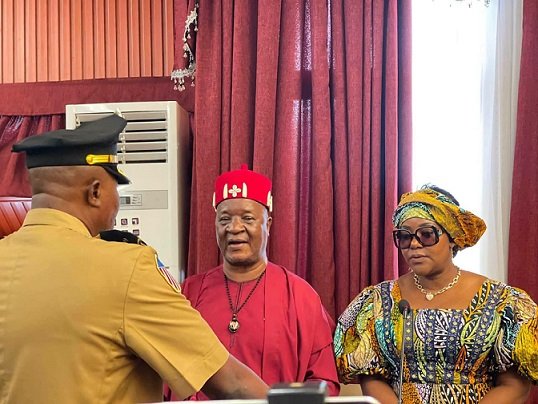
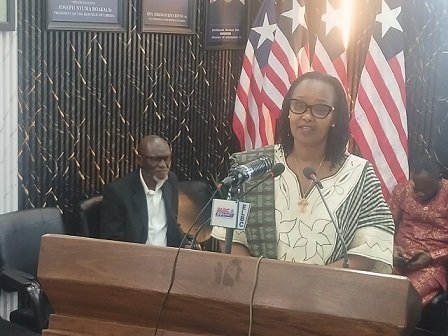
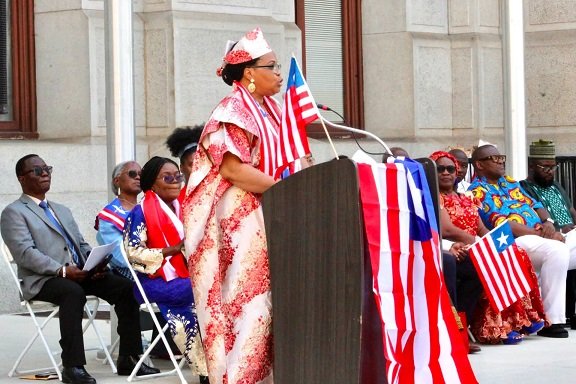
From the streets of Monrovia to the neighborhoods of Minnesota: from the suburbs of Atlanta to the cities of Philadelphia, New York, Dallas, London, Brisbane, and beyond, the red, white, and blue flag of Liberia flew proudly as Liberians marked the nation's 179th Independence Day. Thousands gathered in parks, churches, mosques, community centers, and family homes to celebrate not only the birth of Africa's oldest republic but also the enduring bond that unites Liberians wherever they may live. It was a sheer display of Liberian culture on the global scale. If you live in Liberia, or in the various cities in the US, it was a celebration of Liberian culture and pride like no other time in the past. Events were being live streamed on social media platforms such as Facebook, Instagram, TikTok etc.
Independence Day has always been more than a public holiday. It is a reminder of a remarkable journey that began on July 26, 1847, when Liberia declared itself a free and independent nation. For generations, this day has symbolized hope, resilience, and the determination of a people who have endured hardship yet refused to surrender their identity.
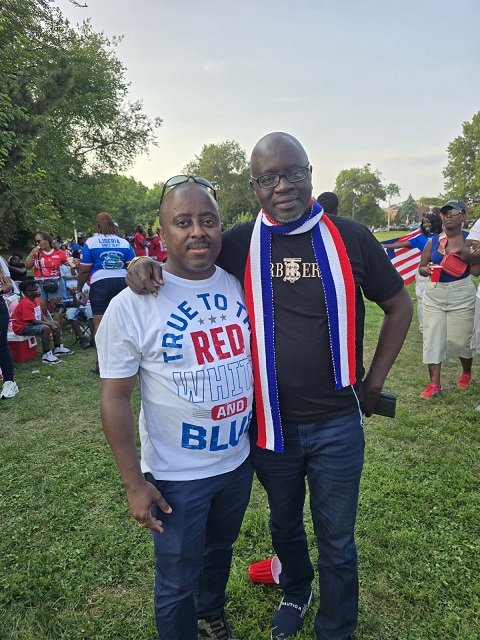
This year's celebrations carried special meaning. They came at a time when many Liberians continue to build new lives abroad while maintaining strong emotional ties with the land of their birth. Across the United States, Liberian communities transformed celebration grounds into miniature versions of home. The aroma of jollof rice, cassava leaf, palm butter, fried fish, and barbecue drifted through the air. Children proudly dressed in the national colors while elders shared stories about Liberia's past with a younger generation born far from the Atlantic coast of West Africa.
Music remained the heartbeat of the celebrations. Traditional cultural performances stood alongside modern Liberian music, creating a bridge between generations. Young people danced to contemporary artists while older Liberians smiled as cultural groups performed traditional songs and dances that have survived centuries of change. The celebrations demonstrated that culture is not frozen in time. It grows while remaining rooted in history.
Perhaps the greatest significance of these gatherings was their ability to preserve identity. Living abroad presents many opportunities, but it also carries the risk of cultural erosion. For children growing up outside Liberia, Independence Day offers an important lesson. It teaches them that they belong to a history much larger than themselves. It reminds them that although they may carry American, Canadian, Australian, or European accents, they also carry the heritage of a proud African nation whose story deserves to be remembered.
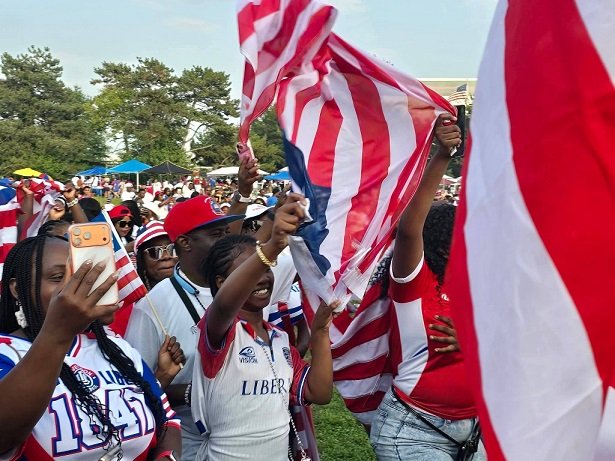
These celebrations also strengthened community bonds. Families reunited with friends they had not seen in months. New immigrants met those who had settled decades earlier. Business owners showcased their products. Churches, mosques, civic organizations, and county associations worked together to organize successful events. In many ways, Independence Day became a living example of the unity that Liberia itself continues to pursue.
The Liberian diaspora has become one of the country's greatest strengths. Across the world, Liberians serve as doctors, nurses, teachers, engineers, entrepreneurs, military personnel, public servants, writers, artists, and students. Their achievements reflect the resilience that has long defined the Liberian people and their spirits. Just as important, they continue to contribute significantly to relatives and communities back home through remittances, investments, educational support, health care, and humanitarian assistance.
Yet Independence Day should never become only a day of entertainment. It must also be a day of reflection. Every anniversary invites the nation to ask difficult but necessary questions. How far have we come? What lessons have we learned? What kind of Liberia are we building for the next generation?
Our history has been marked by triumphs and tragedies. Liberia has experienced civil conflict, economic hardship, political instability, disease outbreaks, and countless challenges that tested the nation's spirit. Still, the country has continued to move forward. Each Independence Day reminds us that survival alone is not enough. The goal must be national progress built upon justice, accountability, education, opportunity, and mutual respect.
The celebrations across the diaspora also carried a message for those at home. Patriotism is not measured by geography. A Liberian living thousands of miles away can love the country just as deeply as someone living in Monrovia, Harper, Buchanan, Gbarnga, or Voinjama. Love for country is demonstrated through service, honesty, investment, and a willingness to help future generations succeed. Love for country is also shown through the preservation of its culture by people living thousand miles away across the oceans.
One encouraging sight during this year's observances was the large number of young people taking active roles in organizing events. Their participation offers hope that Liberia's culture and traditions will not disappear with older generations. Every child who learned the National Anthem, listened to a folktale, tasted traditional food, or proudly waved the Liberian flag became another guardian of the nation's heritage.
As Liberia approaches its 180th anniversary next year, there is every reason to look ahead with optimism. The nation's future will depend not only on the decisions made by political leaders but also on the daily contributions of ordinary citizens, both at home and abroad. Every teacher shaping young minds, every entrepreneur creating jobs, every healthcare worker saving lives, every farmer feeding communities, and every parent teaching honesty contributes to Liberia's continuing story.
The 179th Independence Day celebrations reminded the world that Liberia is more than a place on the map. It is a living community of people connected by history, shared values, and enduring hope. Borders and oceans may separate Liberians physically, but they cannot erase the memories, traditions, and dreams that bind them together.
As the final flags were folded and families returned home, one message remained clear. No matter where Liberians live, the spirit of July 26 continues to unite them. It calls them to celebrate their heritage, honor their past, and work together for a stronger, fairer, and more prosperous Liberia. For in the end, independence is not merely the memory of a declaration made 179 years ago. It is a continuing responsibility carried by every Liberian, everywhere in the various activities.