THE TASK TO FIGHTING CORRUPTION in Liberia is a holistic battle that needs innovative, bravery with courageous frontline commands who are prepared to face the bullets against the forces of evil from the other side of the divide.
UNFORTUNATELY, FOLKS AT THE LACC are focusing on one component of corruption nowadays in our contemporary political and social dynamics, and that aspect of their focus is running after those who allegedly diverted public funds and assets.
THE LACC DOES NOT CARE about what happen to the sale of sex for grades, the LACC should know that there are Men who have refused to support their kids, leaving those kids into volnunerable care of their single mothers. There are teaches who are trading grades for sex in various universities and vocational institutions. There are males who are into sexual harassment of women for job.
ANOTHER FORM OF CORRUPTION is the practice of nepotism in public offices, abuse of power by heads of institutions, school administrators hacking tuition and other fees with no improved learning facilities and environment.
CORRUPTION IS IN MANY faces and forms. One does not commit corruption only by diverting public assets or funds.
THE ISSUE OF VOTERS trucking and votes trading during election season must equally be investigated by the LACC.
THE LACC MUST ANNOUNCE strategies as a means by which these harmful practices will be quashed in order to promote accountability and transparency in our society.
THE LACC BY NOW SHOULD be telling us by what means you will begin chasing after perpetrators of anti-societal practices of corruption.
From the look of things, it is believed that LACC is challenged with adequate fundings and the much needed quality of Manpower to track perpetrators.
THE FIGHT AGAINST CORRUPTION is not by lips-service. The fight against corruption needs practical approach of innovation and coordination.
WE ACCEPT THE FACT THAT the Executive Chairperson of the Liberia Anti-Corruption Commission (LACC), Cllr. Alexandra K. Zoe, has issued a strong warning that corruption continues to undermine Liberia’s development, weaken public institutions, discourage investment, and deny ordinary citizens the full benefits of the country’s resources. We know this, Madam, but our question to you is what are the LACC's strategies to chase after perpetrators and bring them to book in a court of law?
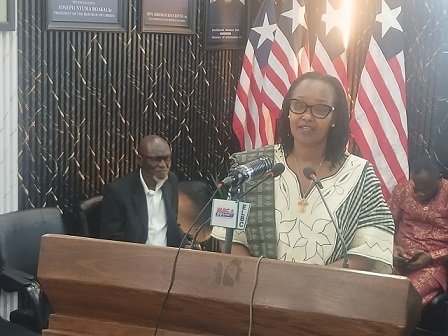
DELIVERING HER MESSAGE ON Saturday, July 11, 2026, to commemorate African Anti-Corruption Day, you said corruption remains one of Liberia’s greatest governance challenges despite ongoing efforts to strengthen accountability and enforce anti-corruption laws, unfortunately, you did fall short to let us know how will you fight holistic corruption?
IN CONCLUSION, INITIATE holistic fight alone side with other line Ministries and Agencies to track corrupt leaders. Recruit corruption monitors and assign them in schools and other Ministries and agencies that track people who abuse others rights by corrupt means and bring them to the law.
WE MUST ACCEPT HOW you put it that corruption cannot be left to government institutions alone but requires collective action from public officials, civil society, the private sector, the media, development partners, and ordinary citizens.
THE FIGHT AGAINST CORRUPTION is not walking on the podium to talk and talk.
This year’s observance is being held under the African Union theme, “Scaling Up the Promotion of Integrity and Anti-Corruption Actions Across Africa.”
ACCORDING TO THE LACC BOSS, the theme serves as a reminder that defeating corruption cannot be left to government institutions alone but requires collective action from public officials, civil society, the private sector, the media, development partners, and ordinary citizens.
SHE STRESSED THAT INTEGRITY must become the foundation of public service, while transparency and accountability should guide every decision involving public resources.
“THE FIGHT AGAINST CORRUPTION is a shared responsibility that demands stronger institutions, ethical leadership, active citizen participation, and unwavering political will,” Zoe declared.
SHE EMPHASIZED THAT only resilient institutions built on integrity and accountability can restore public confidence in governance and accelerate sustainable national development.
REFLECTING ON THE COMMISSION’S work, Zoe said the LACC remains committed to carrying out its legal mandate by preventing, investigating, prosecuting acts of corruption, recovering stolen public assets, promoting integrity, and educating citizens on ethical conduct.
SHE NOTED THAT THE COMMISSION continues to strengthen collaboration with government institutions, development partners, civil society organizations, the media, private sector actors, and community leaders to promote a nationwide culture of accountability and zero tolerance for corruption.
SHE WARNED THAT CORRUPTION continues to erode public service delivery, weaken state institutions, discourage domestic and foreign investment, and deprive Liberians of opportunities for economic growth and improved livelihoods.
ACCORDING TO HER, REVERSING that trend will require every Liberian to reject corruption in all its forms and embrace honesty, accountability, patriotism, and responsible citizenship.
THE LACC CHAIRPERSON further urged public officials to honor the trust placed in them by the Liberian people by upholding the highest standards of integrity in the discharge of their duties.
SHE ALSO CALLED ON CITIZENS to play a more active role in exposing corruption by reporting suspected acts of wrongdoing, demanding accountability from public institutions, and becoming ambassadors of integrity in their homes, schools, workplaces, and communities.
AS LIBERIA JOINED THE rest of Africa in observing African Anti-Corruption Day 2026, Zoe called for renewed national commitment to building a society where integrity prevails over corruption, public resources are managed for the benefit of all citizens, and accountability becomes the hallmark of governance.
HER REMARKS COME AT a time when public concern over corruption, transparency, and the management of public resources remains high, with many Liberians demanding stronger enforcement of anti-corruption laws and greater accountability from public officials. The statement reinforces the Commission’s position that winning the fight against corruption will require not only robust institutional action but also sustained citizen participation and unwavering political